Scar Camouflage Tattooing: How Medical Pigment Blends Scars Into Your Natural Skin Tone
A scar can be part of your story and still be something you would like to feel less visible. Scar camouflage tattooing uses carefully blended pigment to soften the contrast between a mature scar and the surrounding skin. The aim is not to erase the scar, but to help it draw less attention.
At Aesthetic By Nurse, paramedical tattooing is nurse-led, and the clinic is insured for the treatments it offers. Every scar is different, so suitability and realistic outcomes are discussed before treatment.
What is scar camouflage tattooing?
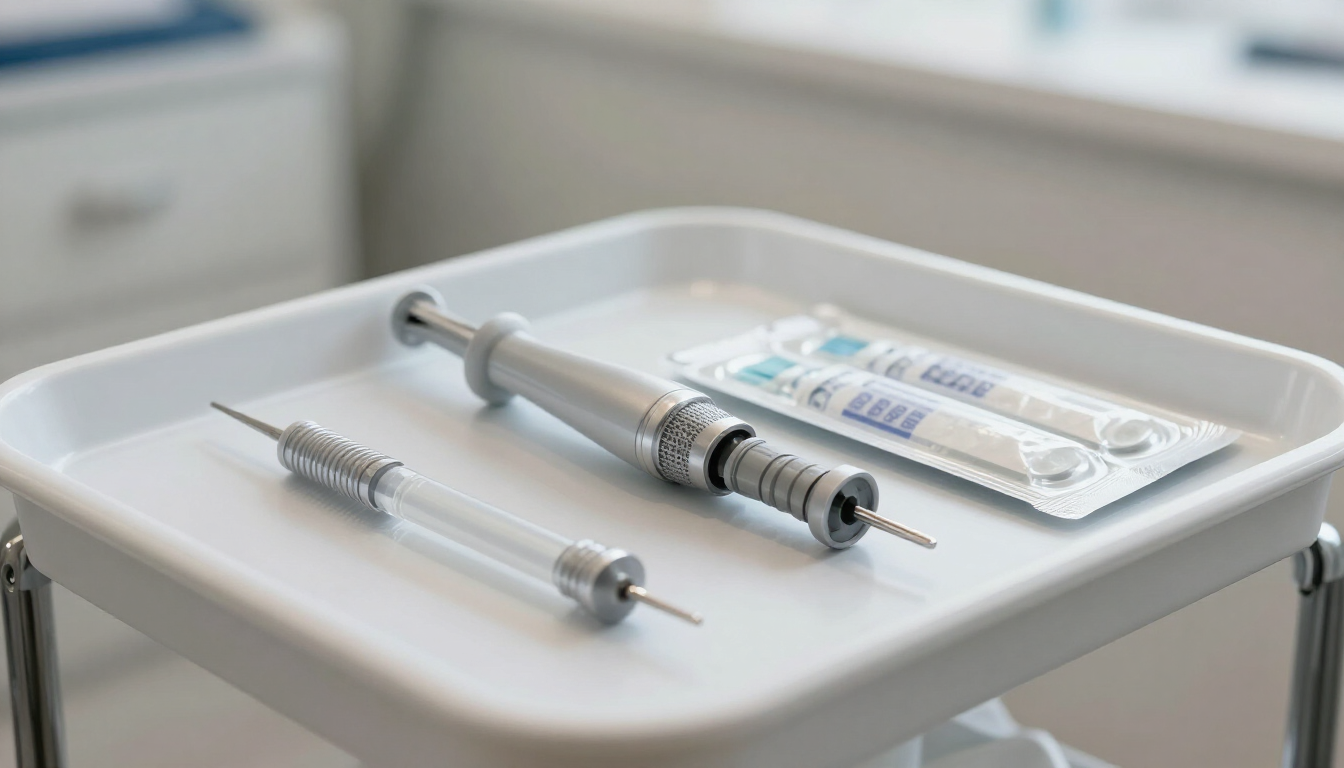
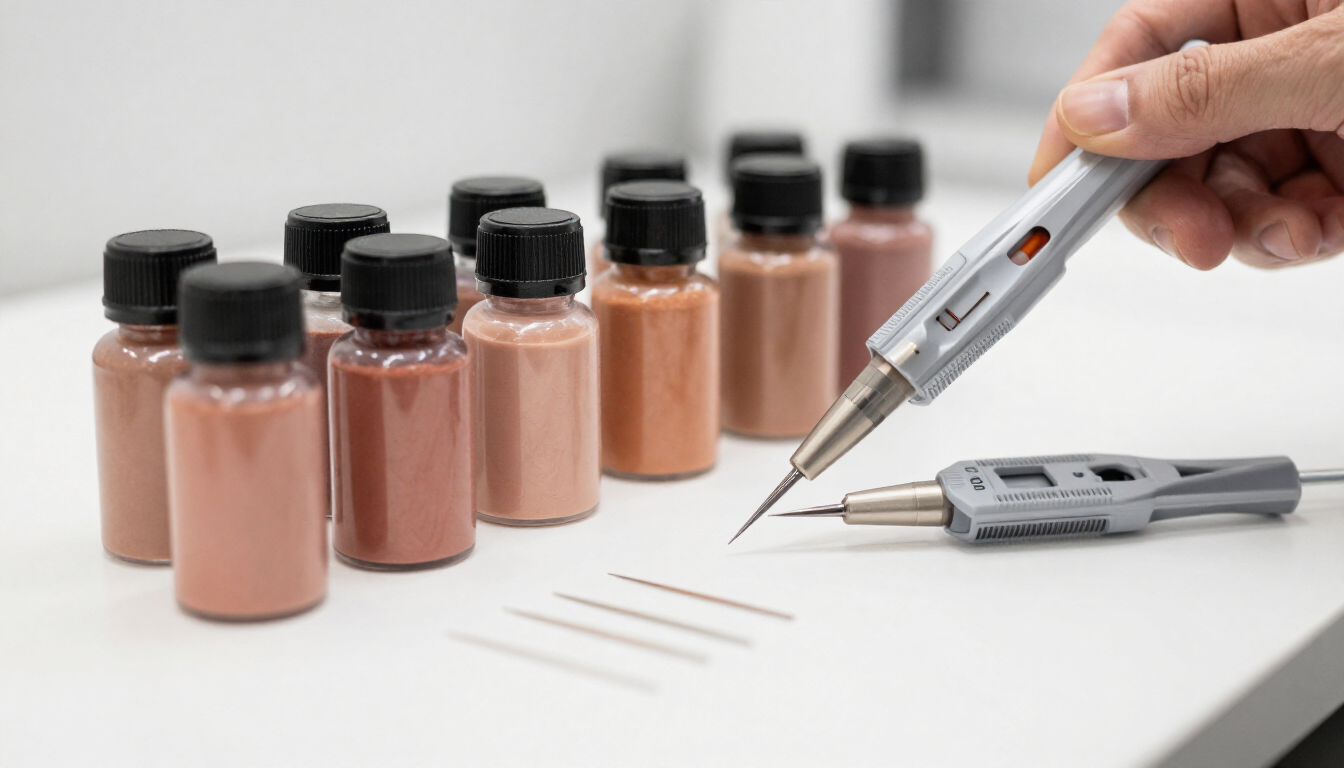
Scar camouflage is a form of medical micropigmentation. A specialist uses a fine needle to place custom-blended mineral pigments into the skin, matching the colour and undertones of the surrounding area as closely as possible.
When the scar is suitable, blending its colour can make it less noticeable. The treatment does not remove a scar or change its texture, depth or shape. Results depend on the scar, its location, your skin tone and how the tissue accepts pigment.
Which scars may be suitable?
Scar camouflage may be considered for some mature, pale scars, including:
- Surgical scars
- Burn scars
- Injury scars
- Cleft lip scars
- Some self-harm scars
- Stretch marks
Suitability is assessed individually. Flat, stable scars that are lighter than the surrounding skin are often the most appropriate to discuss. Raised, changing, inflamed or textured scars may need a different approach or further medical advice first. Pigment can blend colour, but it cannot make an indented, raised or uneven surface smooth.
If a scar is new, painful, itchy, widening or changing in appearance, please seek advice from an appropriate healthcare professional before considering camouflage.
When is a scar ready for treatment?
A scar needs time to mature. In many cases, this means waiting at least 6–12 months after the skin has healed. The calendar alone does not determine readiness: a scar should be fully healed and stable, and typically look pale white or silver rather than pink or red.
Some scars continue to change for longer than a year, so timing varies. If the scar is still pink, tender or evolving, it may be too early. For a post-surgical scar, check with your surgical team if you are unsure whether it has healed fully. Breast Cancer Now’s guidance on tattoos after breast cancer surgery also explains why it is important to allow time for healing.
Your consultation and colour match
Your consultation is a chance to discuss what you hope to achieve, review the scar and decide whether treatment is suitable. I will look at its maturity, colour, shape and texture, as well as the skin around it. We will also discuss your health and any relevant medical or healing history.
Colour matching is performed against your natural skin tone, not simply the pale scar. Pigments are blended to account for undertones and the variation in colour across the treatment area. A match can be challenging because skin tone changes with sun exposure and seasons, while scar tissue may hold pigment differently from unaffected skin.
Where appropriate, a small test area or staged approach may be discussed. This allows the response to be reviewed before deciding whether to proceed further. You can also ask questions, take time to consider your options and agree on a plan that feels right for you.
How the treatment works
Once the area is assessed and the plan agreed, the skin is prepared using appropriate clinical hygiene procedures. The pigment is placed carefully into the scar area using a specialist micropigmentation device. The technique and pace are tailored to the location and the way the skin responds.
The colour can look stronger immediately after treatment and then soften as the area heals. More than one session may be needed to build a gradual, natural-looking blend. A review appointment helps assess the healed result and whether any further work is appropriate.
As with any procedure that places pigment in the skin, there are possible risks. These can include tenderness, swelling, infection, an allergic reaction, uneven pigment uptake or a colour that heals differently than expected. Scar tissue can be unpredictable, so a close colour match cannot be guaranteed. A careful consultation and sterile, single-use equipment help support safety, but no treatment is risk-free.
Healing and aftercare
Some redness, sensitivity or light crusting can occur while the skin heals. Follow the personalised aftercare advice provided at your appointment. General guidance includes:
- Keep the area clean and dry for the first 48 hours.
- Avoid picking, scratching or rubbing the treated skin.
- Avoid swimming and saunas for two weeks.
- Avoid direct sun while the area is healing.
- Once fully healed, use SPF 50+ on the area to help protect the skin and pigment.
A clean, simple aftercare routine supports healing. If you notice worsening pain, spreading redness, heat, unusual discharge or feel unwell, seek medical advice promptly. For further reading, see the Royal Free London guidance on micropigmentation and East Kent Hospitals’ medical tattooing aftercare advice.
How long do results last?
Scar camouflage is long-lasting, but pigment can fade over time. How long it remains visible varies from person to person and may depend on the scar, skin, pigment, sun exposure and how the colour settles. Some people may choose a review or future refresh, but this cannot be predicted precisely at the outset.
Sun protection after healing can help reduce fading and colour changes. Your consultation is the right time to discuss what maintenance may look like for your specific scar.
A compassionate approach to self-harm scars
If you are considering camouflage for self-harm scars, you will be met with respect and without judgement. You do not need to explain your past to deserve kind, professional care. The focus is on your comfort, your wishes and whether the scars are fully healed and suitable for treatment.
You are in control of the conversation and can pause or stop at any point. If the scars are recent or still healing, treatment is not appropriate yet. We can discuss timing when you feel ready.
What results can you realistically expect?
The purpose of scar camouflage tattooing is to reduce colour contrast, not make the skin look untouched. A scar may remain visible in certain lighting or at close range, and differences in texture will still be present. The healed colour may also vary from the initial match, and more than one session may be needed.
For some people, softening the contrast can make a meaningful difference to how comfortable they feel in their skin. A thorough assessment helps you understand the likely benefits and limitations before you decide.
To learn more about medical tattooing and scar camouflage at Aesthetic By Nurse or to book a consultation, get in touch. A consultation is the first step to finding out whether your scar may be suitable and what a realistic treatment plan could involve.
Have questions about this treatment?
Book a confidential, unrushed consultation with a qualified medical nurse and paramedical tattoo specialist.
Book a consultation