Areola Restoration Tattoo: Rebuilding Confidence After Breast Surgery
A nurse-led consultation in a calm, private clinical setting. Breast surgery can change how you see and feel about your body. For some people, an areola restoration tattoo offers a gentle, non-surgical way to recreate the colour and appearance of the nipple and areola complex, as part of their personal recovery.
At Aesthetic By Nurse, this restorative treatment is approached with care, privacy and respect. As a qualified medical nurse and paramedical tattoo specialist, I combine clinical awareness with precision pigment work in a professional, insured setting. Your comfort, informed choices and individual circumstances come first.
What is an areola restoration tattoo?
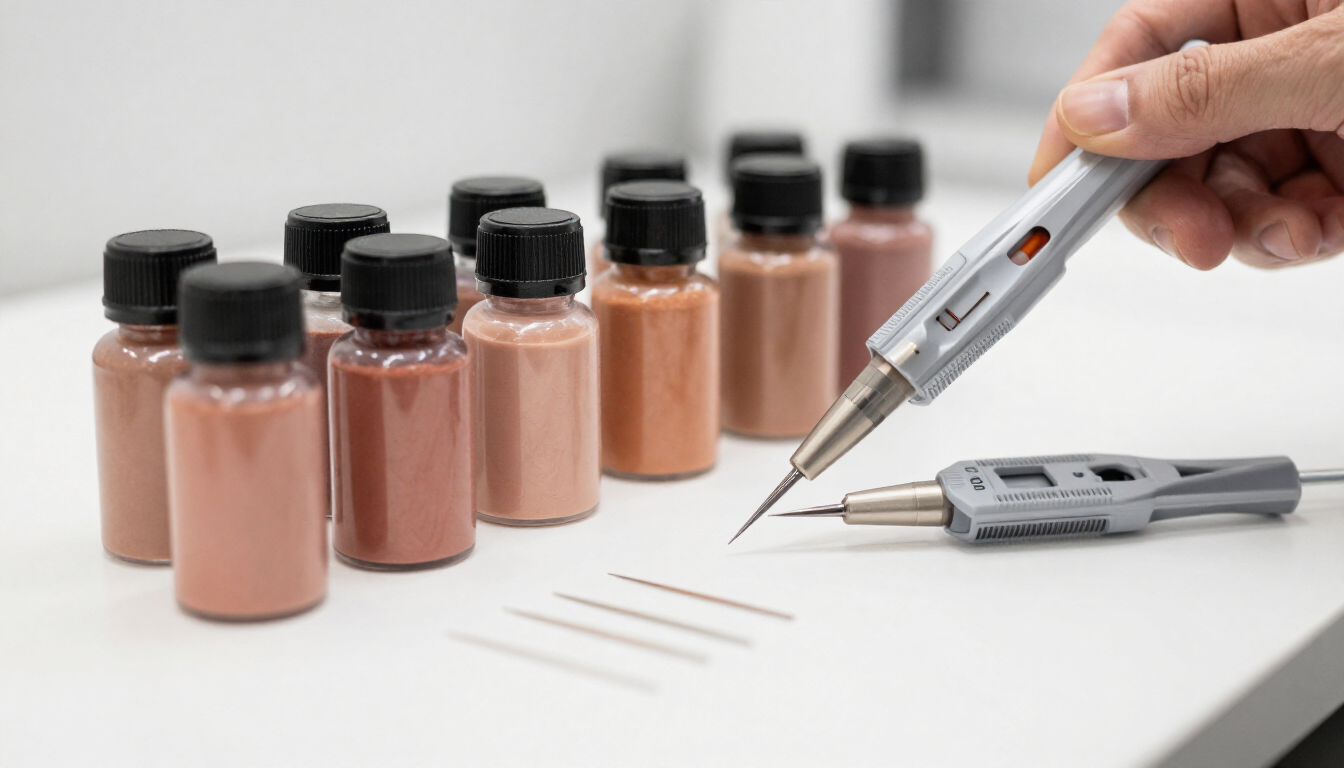
Areola restoration tattooing, also known as medical tattooing or micropigmentation, places custom-blended mineral pigments into the skin to recreate the appearance of the areola and nipple. With careful colour placement, shading and highlights, a specialist can create a realistic 3D visual effect.
The effect is optical: tattooing adds colour and dimension but does not create a physical nipple projection or restore sensation. It may be used on a flat reconstructed chest, or to add colour and detail after surgical nipple reconstruction. The right approach depends on your preferences, healing and reconstruction.
Who may consider areola restoration tattooing?
This treatment may be suitable for people who have had:
- A mastectomy, with or without breast reconstruction
- Breast reconstruction or other breast surgery
- Surgical nipple reconstruction and would like the areola tattooed
- A procedure that has changed the appearance of the nipple or areola
There is no single reason to choose medical tattooing, and there is no obligation to do so. Some people feel that restoring this detail helps their body feel more complete; others prefer not to have further treatment. Both choices are valid.
Your breast surgeon or reconstructive team should confirm when the area is ready. Treatment is generally considered only once surgery and any relevant cancer treatment are complete and the skin has healed. Timing varies, particularly after radiotherapy or where healing has been complicated, so it should be agreed with your clinical team rather than based on a standard date. NHS patient information also recommends discussing suitability and timing with the treating team (Worcestershire Acute Hospitals NHS Trust).
What happens during the process?
The process is paced around your comfort and informed choices.
1. A private consultation
We begin by discussing your medical and surgical history, goals, skin healing and any questions or concerns. I assess the area and explain what tattooing can, and cannot, achieve, including the optical nature of the 3D effect. If you are still under the care of a breast or plastic surgery team, their guidance is an important part of planning.
2. A personalised colour and design plan
Areola colour, size and placement are planned around your skin tone, anatomy and preferences. Pigments are blended for your individual needs, and the design is discussed with you before treatment begins. If you have had surgery on both breasts, symmetry and how the result will sit with your reconstruction are considered carefully.
3. Treatment in a clinical setting
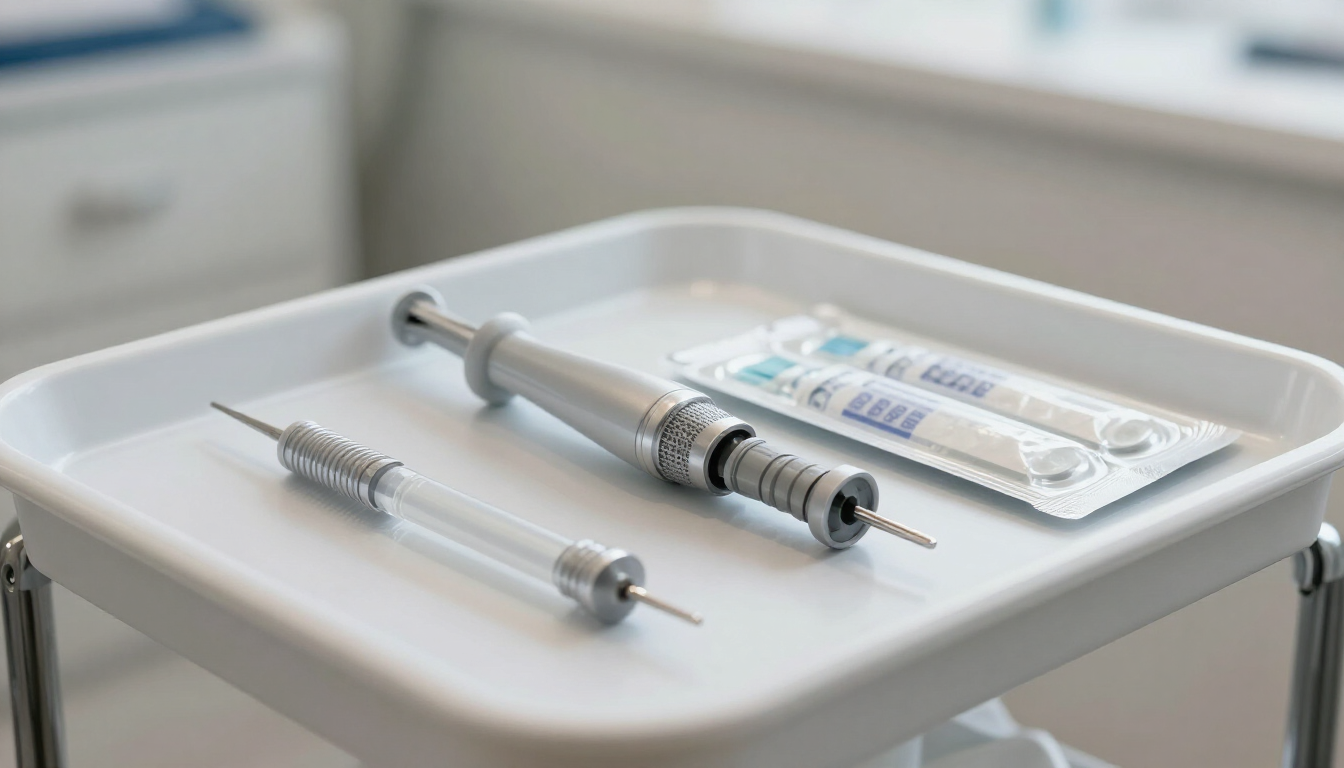
The treatment area is prepared using appropriate hygiene and sterile single-use equipment. Pigment is applied with a specialist tattooing technique, building colour and shading with precision. The session is paced with your comfort in mind, and you can ask to pause or take a break.
4. Healing and review
The colour immediately after treatment is not the final result. It can look stronger at first and then soften as the skin heals. A review or further session may be recommended once healing is complete, depending on how the pigment settles and whether any refinement is wanted. The number of sessions varies from person to person.
Medical tattooing or surgical nipple reconstruction?
These approaches are different, and one may suit you better than the other.
Medical tattooing adds pigment to create a realistic-looking nipple and areola. It is non-surgical and can be performed on a flat chest or after nipple reconstruction, but it does not create physical projection or sensation.
Surgical nipple reconstruction uses surgery to create a raised nipple shape. It may be an option if physical projection is important to you, but it involves an operation and a healing period. Projection can change over time, and surgery does not necessarily restore normal sensation.
Some people choose a combined approach: surgery to create projection, followed by tattooing for colour and detail. Your surgeon can discuss surgical options and their risks, while a qualified medical tattoo specialist can explain what pigment work may add. The American Cancer Society’s overview of nipple and areola reconstruction explains the options in more detail.
Healing and aftercare
Aftercare supports comfortable healing and helps protect the pigment. You will receive instructions tailored to your treatment; follow those rather than general advice online. In broad terms, this may include keeping the area clean, avoiding friction and not picking any crusts that form. You may also be asked to avoid soaking the area, swimming, saunas or strenuous activity for a period while it heals.
Healing varies, and the treated area may look different as it settles. Contact your practitioner or seek medical advice if you are concerned about how it is healing, particularly if you notice worsening redness, increasing pain, unusual discharge or feel unwell. NHS guidance also describes the healing process and aftercare for areola micropigmentation (Hull University Teaching Hospitals NHS Trust).
How long do results last?
Areola restoration tattoos are generally semi-permanent, not guaranteed to last for life. Colour may fade over time, and a touch-up may be wanted to refresh or adjust the result. How long it lasts depends on factors such as your skin, healing, pigment, sun exposure and treatment area.
Leeds Teaching Hospitals NHS Trust notes that medical tattooing results can last around two to six years, with variation between individuals (Leeds Teaching Hospitals NHS Trust). This is a guide, not a prediction of how long your own result will remain.
A personal choice, made at your pace
For some people, seeing a recreated areola can help them feel more at home in their body after surgery. Others value the option because it completes a reconstruction visually or makes getting dressed feel more comfortable. The emotional experience is personal: tattooing cannot undo what you have been through, and it should never come with pressure to feel a particular way.
You deserve time, clear information and space to decide what feels right for you. At Aesthetic By Nurse, consultations are confidential, unrushed and focused on your priorities. If you would like to explore the option, you can book a consultation and ask any questions before making a decision.
Have questions about this treatment?
Book a confidential, unrushed consultation with a qualified medical nurse and paramedical tattoo specialist.
Book a consultation